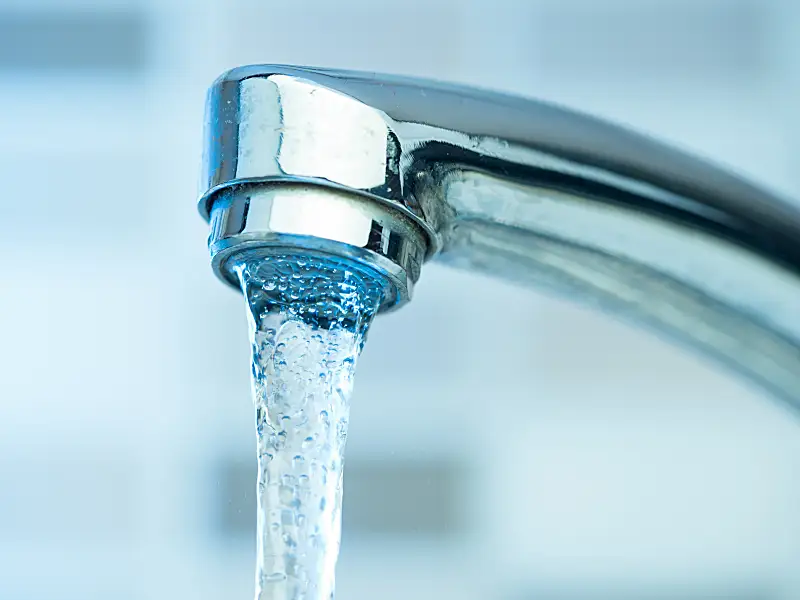
Professional water testing services in NYC provide certified laboratory analysis of residential tap water by collecting samples to screen for lead, bacteria, and chemical contaminants, helping homeowners verify purity and safeguard family health. For most of us, turning on the kitchen tap is an act of everyday faith, trusting that the water flowing into our glasses is clean, safe, and balanced. However, when subtle signs appear, such as a metallic taste, white scale buildup on your showerhead, or an unusual odor, that trust can quickly turn into uncertainty, making expert water testing essential.
Finding the right company to analyze your water is about more than just picking the first name that appears in a search engine. You are looking for a partner who can provide accurate, actionable data that protects your home’s plumbing and your family’s health. If you are looking for local testing services, here is a guide on how to evaluate your options and choose the right laboratory for your needs.
1. Look for Laboratory Certification
The most important factor in choosing a water testing company is ensuring they are accredited. In the world of water analysis, “accredited” or “certified” means the laboratory has been audited by a third-party organization and meets specific quality standards for accuracy and methodology.
When you contact a prospective company, ask them directly: “Are you a state-certified laboratory?” Certification ensures that the lab follows standardized protocols, uses calibrated equipment, and participates in regular proficiency testing. This is the difference between a reliable, legal-grade analysis and an estimation that may not hold up if you ever need to prove water quality issues for insurance, real estate, or health reasons.
2. Understand the Scope of Their Testing
Not all water tests are created equal. Some companies focus on basic mineral analysis—pH, hardness, and iron—while others have the capability to detect complex synthetic contaminants like PFAS, heavy metals, and specific pesticides.
Before committing, review what we test to understand the breadth of analysis you might require. A reputable company should offer a range of packages, from a “Basic Health Screen” for common bacteria and nitrates to “Comprehensive Panels” that look for trace contaminants. If a company only offers one “basic” test for everything, they may not be equipped to identify the specific common water problems that might be affecting your particular area.
3. Prioritize Local Expertise
Water quality is deeply tied to geography. The contaminants found in an area with heavy industrial history are vastly different from those found in an agricultural valley or a region with high natural mineral deposits in the bedrock.
Choosing a company that provides local water information is a major advantage. A team familiar with your local aquifers, municipal water treatment practices, and common regional contaminants will be able to provide context that a national, generic testing chain simply cannot. They will know, for example, if your town has recently updated its treatment processes or if a particular neighborhood is prone to lead leaching due to aging infrastructure.
4. Evaluate Their Reporting and Support
Data is only valuable if you can understand it. A professional water testing company should do more than just send you a PDF filled with numbers and chemical abbreviations.
- Clear Reporting: Can you easily tell if your results are within the recommended limits? Does the report clearly explain the potential impact of any elevated contaminants?
- Support: If your results show high levels of a specific contaminant, does the company provide guidance on next steps? A good testing partner will help you interpret the data so you know whether you need a whole-house water filtration system, a simple point-of-use filter, or if you should contact your municipal provider to report an issue.
For those who are new to these reports, checking an FAQ section can often help clarify terms before you even receive your results.
5. Assess the Sampling Process
How the company handles the collection of your sample is just as important as the lab work itself. Proper sample collection is a technical skill. If a sample is taken incorrectly—for instance, if the tap wasn’t flushed long enough or if the container was contaminated during the process—the results can be skewed.
A professional service should provide you with specific instructions on how to take a sample, or better yet, offer a technician to come to your home to collect it. They should use sterile, laboratory-grade containers that prevent cross-contamination. If a company is careless about the sampling process, it is a red flag that they may be careless with their analysis.
The Value of Proactive Maintenance
Once you have found a reliable partner, testing your water should be viewed as part of your annual home maintenance routine—much like checking your smoke detectors or servicing your HVAC system. The Environmental Protection Agency (EPA) encourages private well owners to test their water annually, but even municipal water users benefit from a baseline test every few years to monitor for changes in their home’s internal plumbing.
Taking the Next Step
Choosing the right company is the first step toward gaining peace of mind. By focusing on certification, local knowledge, and the clarity of their communication, you can ensure that you aren’t just getting data—you are getting the truth about your water.
If you are ready to get started, take a moment to look through our general resources to better understand what to expect during the process. If you have specific concerns about your tap water, we encourage you to contact us today. Our team is dedicated to providing clear, accurate, and actionable insights to help you maintain the safest, highest-quality water for your home.
Choosing the right company might take a little extra effort upfront, but the payoff is the confidence of knowing exactly what is in your glass every time you take a drink.
Still have questions about the testing process? You can visit our blog for more articles on water safety, the differences between municipal and private water systems, and tips on protecting your home’s infrastructure.