
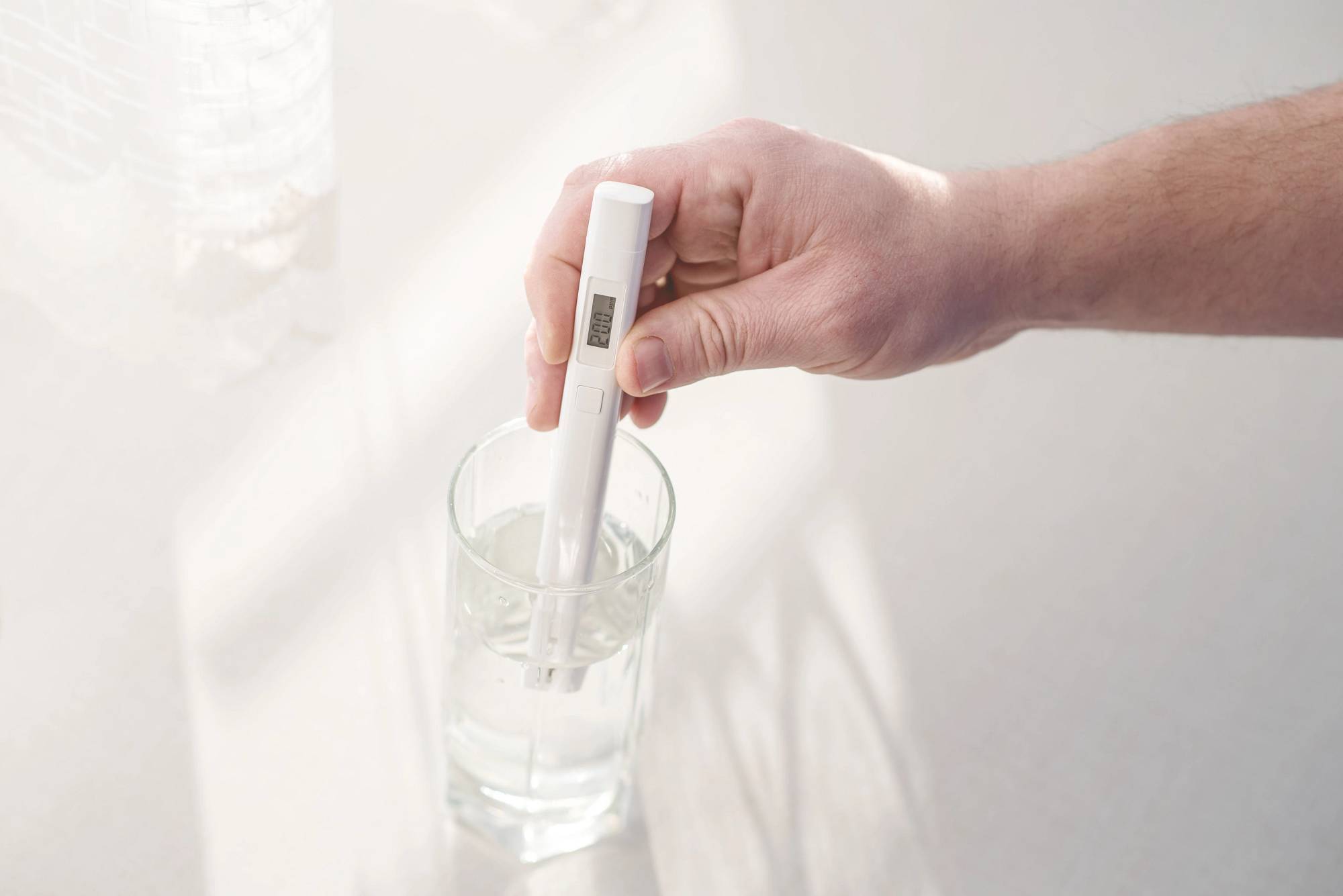
If you have ever turned on your tap and been greeted by a faint smell of rotten eggs, or noticed stubborn, orange-brown stains on your sink, your water is likely trying to tell you something. While these issues are rarely life-threatening, they can significantly impact your quality of life, affect the taste of your morning coffee, and potentially damage your home’s plumbing and appliances.
The culprits behind these aesthetic nuisances—iron, manganese, and hydrogen sulfide (sulfur)—are common in groundwater supplies, especially in private wells. The good news is that you don’t have to live with them. The first step toward clear, odorless water is accurate testing.
Why Testing Matters
It is easy to assume that if the water looks clear, it is clean. Unfortunately, minerals like iron and manganese are often dissolved in groundwater, meaning they are invisible until they oxidize and settle. Similarly, sulfur levels can fluctuate based on seasonal water table changes.
If you suspect your water quality has shifted, or if you are simply looking to maintain your home water quality, understanding the specific concentration of these minerals is essential for choosing the right treatment system. Guessing leads to wasted money on ineffective filters; testing leads to solutions.
The Three Usual Suspects
Before jumping into testing methods, it helps to understand what you are looking for.
- Iron: This is the most common cause of red, orange, or brown staining on fixtures, laundry, and dishes. It can also impart a metallic taste to your water.
- Manganese: Often found alongside iron, manganese produces dark brown or black stains. It can make water appear cloudy and, at higher levels, may affect the taste of beverages.
- Sulfur (Hydrogen Sulfide): This is the “rotten egg” smell. Beyond the unpleasant odor, hydrogen sulfide is corrosive, which can damage copper piping and other metal components in your plumbing system over time.
How to Get Your Water Tested
When it comes to water analysis, you generally have three paths: DIY kits, certified lab testing, and professional on-site assessment.
1. DIY Home Testing Kits
Home test kits provide a quick, qualitative look at your water. They are usually designed to give you a “yes/no” or a range-based answer using color-changing test strips.
- Pros: They are inexpensive, convenient, and provide immediate results.
- Cons: They are generally less accurate than lab analysis and may not detect low-level contaminants that still cause significant staining.
- Best for: A baseline check or a “gut check” before scheduling a more comprehensive evaluation.
2. Certified Laboratory Testing
For a definitive answer, professional laboratory testing is the gold standard. You collect a sample from your tap in a sterile container provided by the lab and mail it back.
The laboratory uses sophisticated equipment to measure parts per million (ppm) or milligrams per liter (mg/L). This data is critical because treatment systems are sized based on specific mineral concentrations. For instance, a water softener may handle low levels of iron, but high concentrations often require specialized aeration or oxidation systems.
3. Professional Local Assessment
If you want to bypass the guesswork, working with a local water testing service is often the most efficient route. A professional can evaluate the water at the source, observe your home’s specific plumbing setup, and discuss the common water problems prevalent in your specific geological area.
They provide the benefit of context. They can tell you if your iron issue is likely due to the depth of your well or the type of bedrock beneath your property, which can influence how long-term solutions are implemented.
What to Look for in Your Test Results
Once you have your report back, it’s time to decode the numbers. Even if your results aren’t “hazardous” by health standards, they may still be problematic for your household.
- The Iron Threshold: Levels as low as 0.3 mg/L can cause staining. If your test shows higher numbers, iron will likely become a recurring issue in your pipes.
- The Manganese Limit: Secondary standards for manganese are usually set around 0.05 mg/L. Because it is so prone to staining, even very small amounts can be a nuisance.
- The Sulfur Detection: Sulfur is often detected by odor at very low levels. If a test detects it at all, you will likely want to explore treatment options to protect your fixtures.
Interpreting the Data for Treatment
Testing is not just about identifying a problem; it is about finding the right solution. Iron, for example, can exist in different forms—ferrous (dissolved) and ferric (particulate). A basic home test may not distinguish between the two, but a professional analysis will. Using the wrong filter for the wrong type of iron is a common reason why some homeowners find that their water quality doesn’t improve even after installing expensive equipment.
Next Steps: When to Act
If your water tests positive for these minerals, you aren’t stuck with it. Modern water treatment technology—ranging from oxidizing filters and ozone injection to ion exchange—is highly effective at removing or neutralizing these minerals.
If you are unsure where to start, you can browse our FAQ section for quick answers to common questions about testing procedures or explore our educational blog for deeper dives into water chemistry.
Remember, groundwater quality can be influenced by environmental factors such as rainfall, construction, or changes in nearby land use. If you haven’t tested your water in more than a year, it is a good practice to set a recurring reminder. When in doubt, consulting with a water quality expert ensures you are spending your time and budget on solutions that actually work.
For more information on water safety and standards, visit the Environmental Protection Agency (EPA) Guide on Private Wells, which offers comprehensive resources for homeowners on managing their own water supply.