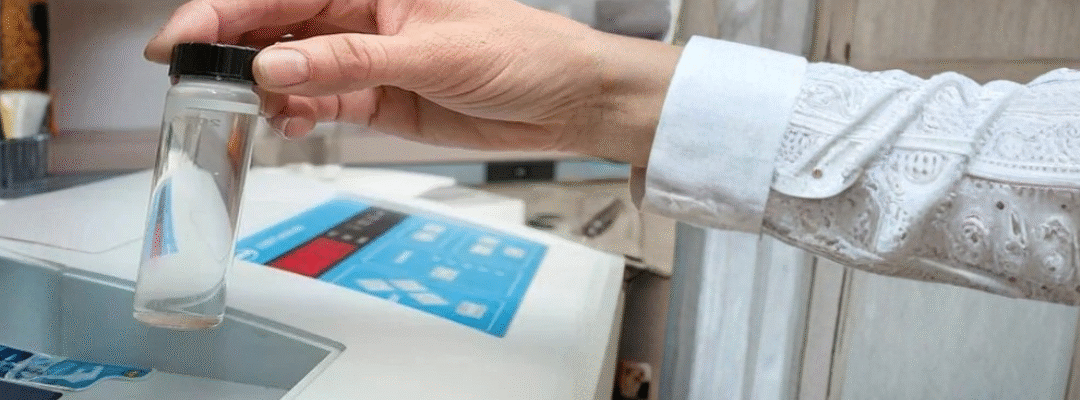
For decades, public and private water safety focused primarily on traditional threats like E. coli, hard water minerals, and lead. Today, NYC microplastics water testing specialists act as dedicated environmental health experts who analyze local water supplies through high-precision spectroscopic filtration to detect microscopic synthetic particles, helping property owners identify unmonitored pollutants and secure effective filtration for long-term safety. While legacy contaminants remain critical concerns, our understanding of water quality continues to evolve as scientists and regulators turn their attention toward these emerging contaminants, which have persisted in the environment for years but are only now being understood for their potential impacts on human health.
These contaminants often fly under the radar because they are frequently unregulated, meaning municipal systems may not be required to monitor or remove them. For homeowners, this shift makes professional water testing more important than ever.
What Are Emerging Contaminants?
Emerging contaminants are chemicals or microorganisms that have gained attention due to evidence of their presence in the environment and their potential for adverse health effects. They are often “invisible” threats, originating from industrial processes, pharmaceuticals, consumer products, and the breakdown of modern synthetic materials.
Because these substances are often found in very low concentrations, their health effects are frequently linked to long-term, chronic exposure rather than acute, short-term illness. This makes them difficult to identify without specialized, high-sensitivity laboratory equipment.
The Big Three: PFAS, Microplastics, and Pharmaceuticals
While the list of potential emerging contaminants is growing, three categories have moved to the forefront of scientific and public concern.
1. PFAS: The “Forever Chemicals”
Per- and polyfluoroalkyl substances, known collectively as PFAS, are perhaps the most well-known emerging contaminants. Used in non-stick cookware, firefighting foam, and water-repellent fabrics, these chemicals are nicknamed “forever chemicals” because they do not naturally break down.
Research suggests that long-term exposure to PFAS is linked to a variety of health issues, including hormonal disruption, immune system suppression, and increased risks of certain cancers. Because they are so mobile in the environment, they have seeped into groundwater across the country, making them a significant concern for both municipal and private well users.
2. Microplastics
As our use of plastics has exploded, so has the presence of microplastics—tiny plastic fragments less than 5mm in length—in our water supply. They come from the degradation of larger plastic debris, synthetic clothing fibers, and microbeads in personal care products.
While the scientific community is still working to understand the long-term impact of ingesting microplastics, early studies indicate that they can carry other chemical toxins into the body and may cause inflammatory responses.
3. Pharmaceuticals and Personal Care Products (PPCPs)
This category includes everything from common over-the-counter painkillers and antibiotics to hormones and fragrances found in shampoos and lotions. When we use these products, they eventually make their way through our waste systems. Standard wastewater treatment plants were not designed to filter out these specific molecules, and as a result, trace amounts can persist in the environment and eventually reach our drinking water sources.
The Limitations of Standard Testing
One of the most important things for a homeowner to realize is that a “standard” water test—the kind that checks for pH, hardness, and coliform—will not catch these emerging contaminants. Detecting substances at the parts-per-trillion level requires advanced analytical instrumentation like Liquid Chromatography-Mass Spectrometry (LC-MS).
This is why homeowners should look beyond common water problems when assessing their home’s safety. If you are worried about your water, you need to engage with local testing services that specialize in modern, high-sensitivity analysis. You can check the specific capabilities of a lab by reviewing what we test, as these emerging threats require a different suite of diagnostics than traditional mineral testing.
Why Local Context Is Key
Emerging contaminants are not distributed evenly across the landscape. Their presence often depends on local industrial history, land use, and the nature of the local aquifer. For example, communities near airports or military bases—where firefighting foams were historically used—are often at higher risk for PFAS contamination.
By investigating local water information, you can understand the risks that are specific to your region. A reputable testing lab will often have regional data that helps you determine if your home’s location puts you at a higher statistical risk for specific emerging pollutants.
Taking Action: Protection and Filtration
If your testing indicates the presence of emerging contaminants, do not lose hope. The science of filtration has evolved alongside our knowledge of these chemicals.
- Activated Carbon Filtration: High-quality carbon blocks are very effective at reducing the levels of many pharmaceuticals and some types of PFAS.
- Reverse Osmosis (RO): RO systems are currently the “gold standard” for removing a wide range of emerging contaminants, including various PFAS compounds and microplastics.
- Proactive Monitoring: If you live in an area with industrial activity, consider making testing a biennial part of your home maintenance plan.
According to the Environmental Protection Agency (EPA), new drinking water standards are being developed to address some of these contaminants. However, for many homeowners, waiting for government-mandated infrastructure changes may take years. Taking control of your own water safety through independent testing is a proactive choice for your family’s health.
Navigating the Results
Seeing a new chemical name on a lab report can be overwhelming. Our FAQ section is a great starting point for demystifying these results. It explains the significance of detection limits and provides context on what “trace amounts” actually mean for your health.
If you are concerned about what might be in your water and want to move beyond the basics, we encourage you to contact us today. Our team is dedicated to staying at the forefront of water science, helping homeowners identify both the traditional threats and the emerging risks that matter today.
Your water is the most important foundation of your home’s health. Don’t let the invisible be the unknown—get the data you need to make informed decisions for your family.
For regular updates on water safety, new filtration technologies, and tips for maintaining a healthy home environment, visit our blog.