
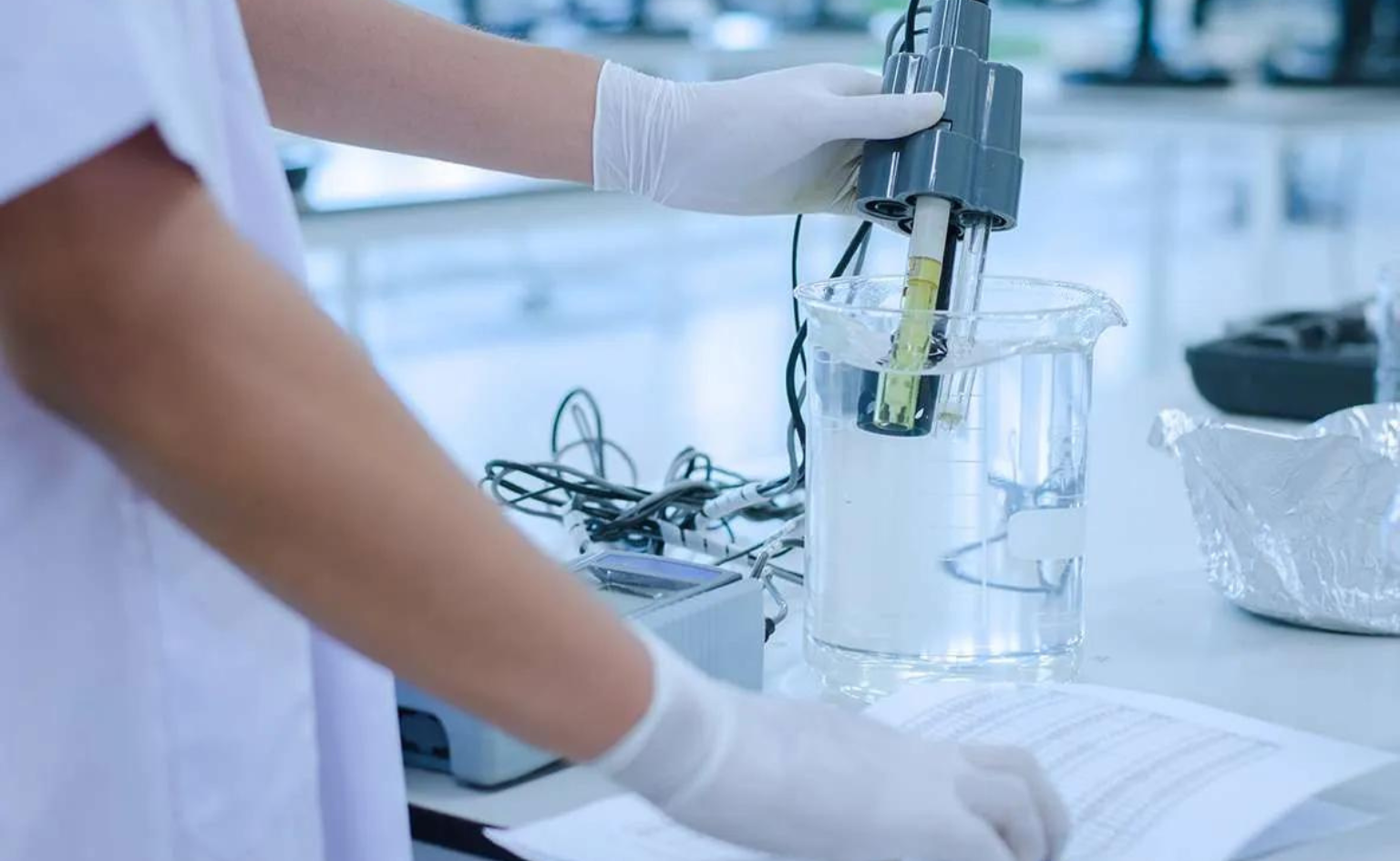
Professional heavy metal water testing in the Bronx is a specialized laboratory service that analyzes tap water using advanced diagnostic equipment to detect toxic contaminants like lead, copper, and arsenic, helping local residents protect family health by revealing invisible hazards that standard visual checks miss. While aesthetic minerals only cause minor issues, such as hard water responsible for spotty dishes or iron that leaves rust-colored stains, toxic heavy metals represent a critical health priority because they are entirely imperceptible to human senses. Since safe water quality is the foundation of a healthy home, identifying these unseen risks is essential for long-term well-being.
For any family, understanding where heavy metals come from and how to identify them is a crucial step in maintaining a safe living environment. Whether you rely on a municipal water utility or a private well, awareness is your best line of defense.
Understanding Heavy Metals
Heavy metals are naturally occurring elements found in the Earth’s crust, but they also find their way into our water supply through human activity and aging infrastructure. When we talk about heavy metals in drinking water, we are usually referring to elements that, at elevated levels, can pose serious risks to human health.
The most common heavy metals of concern include:
- Lead: Often associated with older service lines, lead-based solder in plumbing, and brass fixtures.
- Arsenic: A naturally occurring element that leaches into groundwater from the surrounding geological formations.
- Copper: Frequently found in homes with copper piping, especially when the water itself is acidic or “corrosive.”
- Cadmium and Mercury: Less common but potentially present near industrial sites, landfills, or areas affected by specific types of waste disposal.
Why Are They a Health Concern?
The Environmental Protection Agency (EPA) regulates heavy metals in public water supplies because of their potential to accumulate in the body over time. Because these substances are cumulative toxins, the risks are often long-term rather than immediate.
Children, infants, and pregnant women are the most vulnerable. For example, even low levels of lead exposure can cause irreversible developmental delays, learning disabilities, and behavioral issues in children. Arsenic, a known carcinogen, can lead to systemic health problems—including cardiovascular disease and skin conditions—after years of chronic exposure. Because these health effects are slow-moving and often mimic other illnesses, you cannot rely on “feeling sick” as an indicator that your water is contaminated.
The Role of Water Chemistry
Heavy metals don’t just appear in your glass; they are often “pulled” into your water by the chemistry of the water itself. A major factor is pH.
Water that is slightly acidic (a pH below 7) is considered corrosive. When this water sits in your home’s pipes overnight, it acts like a mild solvent, eating away at the interior of your plumbing and pulling lead or copper into the water. This is why a test for “heavy metals” is often paired with a test for pH and hardness. By understanding your water’s chemical profile, you can often predict whether it is prone to leaching these metals from your pipes. If you are noticing common water problems like pinhole leaks in pipes or blue/green staining on your sinks, it is a sign that your water may be corrosive.
How to Get the Answers You Need
If you are concerned about heavy metals, you should never rely on simple, at-home test strips. They are designed for basic screening and lack the sensitivity required to detect dangerous contaminants at the parts-per-billion levels that matter for health.
1. Work with a Professional Lab
The only way to know if your water contains heavy metals is to have it analyzed by an accredited facility. Professionals use highly sensitive equipment, such as Inductively Coupled Plasma Mass Spectrometry (ICP-MS), to identify elements with incredible accuracy. Finding local testing services is a great way to start, as those labs understand the geological risks specific to your town or county.
2. Follow Proper Collection Protocols
Lead and copper testing is highly sensitive to the collection method. Labs often require a “first-draw” sample—meaning the water must have been stagnant in the pipes for at least six hours (usually overnight) before you collect it. This captures the water that has had the most time to react with your plumbing. Always follow the lab’s instructions, as improper collection can lead to a “false negative.”
3. Review Your Scope
When deciding what to test for, review what we test to ensure you are selecting a package that covers your primary concerns. If you live in an area with a history of industrial activity, you may want to expand your test beyond the standard “lead and copper” to include other metals like arsenic or mercury.
Solutions and Mitigation
Finding out your water has elevated levels of heavy metals can be a stressful discovery, but there are proven solutions available.
- Point-of-Use Filtration: For lead and many other heavy metals, high-quality filtration systems (certified to NSF/ANSI Standard 53) are extremely effective. These systems, often installed at the kitchen tap, provide a final barrier of protection for your drinking and cooking water.
- Corrosion Control: If your water is acidic, adjusting your home’s water chemistry using a calcite neutralizer can raise the pH, making the water much less aggressive toward your pipes. This often stops the leaching process at the source.
- Infrastructure Replacement: In the case of lead service lines or outdated plumbing fixtures, the most permanent solution is to replace the source material. While this is a larger investment, it removes the contamination risk entirely.
Staying Proactive
The most effective way to protect your family is to shift from a reactive mindset to a proactive one. Water quality management should be a standard component of your home maintenance routine. By testing your water annually, you establish a history, which allows you to spot trends before they become health hazards.
If you are not sure how to begin or have specific questions about your water’s quality, we are here to help. You can explore our list of locations to connect with a laboratory near you, or visit our FAQ page for guidance on sample collection and report interpretation.
If you are ready to take control of your household’s health, contact us today. We can help you navigate the testing process, ensuring that the water you use to hydrate, cook, and clean is as safe and clean as it should be.
For more information on national drinking water standards and public health guidelines, visit the EPA’s Ground Water and Drinking Water portal.