
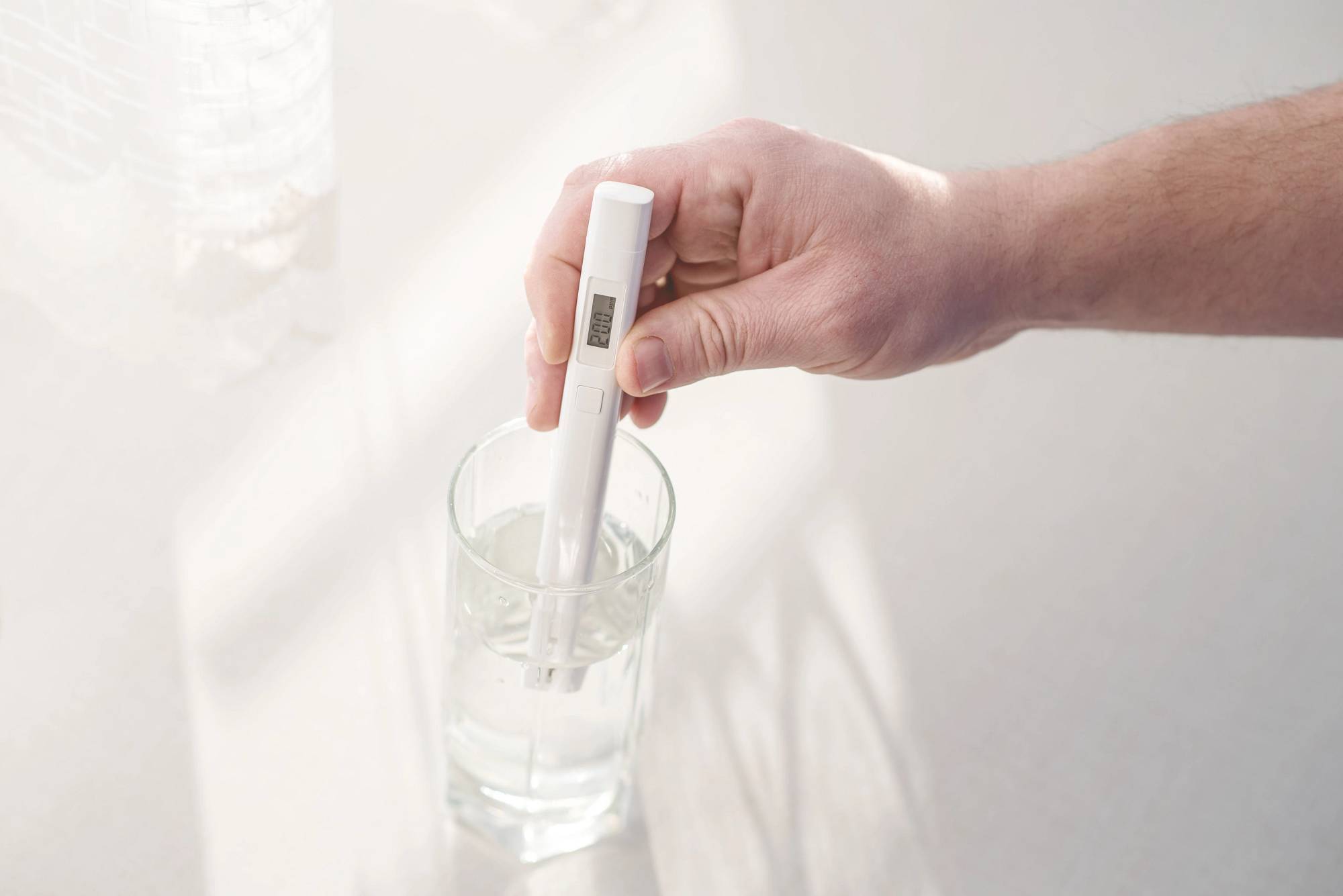
Certified PFAS water testing in Queens is an essential laboratory service that analyzes tap water using advanced diagnostic methods to accurately detect harmful forever chemicals, helping residents protect their health and choose the right filtration systems based on reliable, expert guidance. In the landscape of modern environmental health, few topics have captured as much public attention as per- and polyfluoroalkyl substances (PFAS). As these persistent compounds become a top priority for homeowners, municipal planners, and health experts alike, knowing how to identify and address them in our local drinking water supply is vital for long-term safety.
While they may sound like a complex, modern challenge, understanding PFAS is a straightforward journey into environmental stewardship. By knowing what these chemicals are, why they are a concern, and how you can test for them, you can take meaningful steps toward securing your home’s water quality.
What Are PFAS?
PFAS are a large group of man-made chemicals that have been in use since the 1940s. Because of their unique chemical structure, they are incredibly effective at repelling water, grease, and oil. You can find them in everything from non-stick cookware and water-repellent clothing to stain-resistant carpets and firefighting foams.
The “forever” in their nickname comes from the fact that they do not break down in the environment or the human body. They persist, accumulating over time. Because they are so mobile, they easily leach into soil and eventually make their way into our groundwater and surface water supplies.
Why Should You Be Concerned?
The Environmental Protection Agency (EPA) has identified PFAS as a significant focus for public health due to their potential for long-term health effects. Research suggests that exposure to certain levels of these chemicals over time can lead to a variety of issues, including:
- Increased cholesterol levels.
- Endocrine system interference.
- Immune system suppression.
- Developmental risks during pregnancy and childhood.
Because these chemicals are essentially “invisible”—you cannot smell, taste, or see them—their presence is often unknown until a formal analysis is conducted. For those who rely on private wells or live in areas with known industrial history, understanding the presence of these chemicals is a matter of proactive health management.
Navigating PFAS Water Testing
Testing for PFAS is more specialized than a standard bacteria or mineral panel. It requires advanced laboratory equipment, such as liquid chromatography-tandem mass spectrometry (LC-MS/MS), to detect these compounds at the extremely low levels required by recent health advisories.
1. Identify Your Local Context
PFAS contamination is often localized. It is frequently associated with industrial manufacturing sites, military bases, airports, or areas where firefighting foams have been heavily used. Before jumping into testing, look at your area’s history. You can start by checking with local testing services that are familiar with the common environmental risks in your county or town. They can often provide context about whether PFAS has been a reported concern in your specific region.
2. Isolate the Test
PFAS analysis is not typically part of a “basic” well water package. When you review what we test, you will notice that comprehensive chemical panels are distinct from routine biological or hardness checks. If you suspect PFAS exposure, you must specifically request this specialized panel to ensure the lab employs the correct methodologies to detect these specific compounds.
3. Consider the “Why”
Many homeowners choose to test for PFAS for peace of mind, especially if they are purchasing a new home or are concerned about nearby land use. If you are noticing other common water problems, such as aesthetic issues, it is usually best to tackle those first, as they are often more immediate indicators of your home’s system health. PFAS testing is typically an advanced step taken when a household wants a truly exhaustive look at their water quality.
Steps for Homeowners
If you have decided that testing for PFAS is the right move for your household, follow these steps to ensure the best outcome:
- Consult with an Accredited Laboratory: Not every lab has the certification to test for PFAS, as it is a highly technical process. Ensure the laboratory you choose is specifically certified to perform the necessary EPA-approved methods for these chemicals.
- Precision in Sampling: PFAS are so prevalent in everyday items (like waterproof gear, certain cosmetics, and even some types of field gear) that contamination during the collection process is a real risk. Always follow the lab’s specific instructions for sample collection, which often include strict protocols on what you can wear or use when gathering the water.
- Evaluate Your Results with Context: If the test indicates the presence of PFAS, don’t rush to conclusions. Reach out to a professional who can help you interpret the numbers against current state and federal guidelines. They can help you determine the next steps, which might range from monitoring to the installation of high-performance filtration systems like granular activated carbon (GAC) or reverse osmosis (RO).
Taking Control of Your Environment
While the conversation around “forever chemicals” can feel daunting, it is important to remember that you are not powerless. Testing is a tool, not a tragedy. By identifying what is in your water, you gain the ability to make informed decisions that protect your home and your family.
We encourage you to visit our list of locations to connect with professionals who can guide you through the process of specialized water analysis. Our FAQ page also contains helpful information about how to interpret various test results and what to expect during the analysis process.
If you have specific concerns and want to discuss whether PFAS testing is right for your home, contact us today. Our team is dedicated to helping you access the clean, safe water you and your family deserve. By staying informed and proactive, you are doing the most important work in ensuring the long-term safety of your home’s most essential resource.
For more information on current regulations, health advisories, and the science of these chemicals, visit the EPA’s official resource page on PFAS.