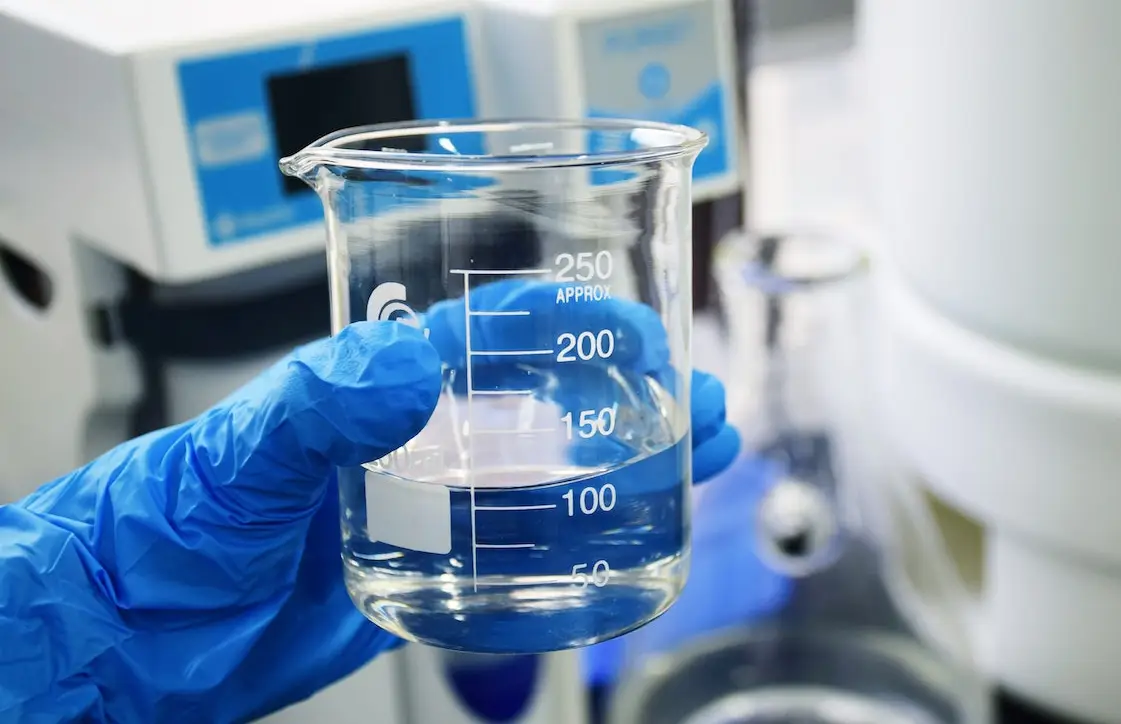
Home water testing services in Brooklyn offer comprehensive lab evaluations that collect and analyze tap samples to detect hidden contaminants like lead, heavy metals, and bacteria, helping prospective buyers verify water safety and safeguard their investment before closing. Buying a home is one of the most significant investments you will ever make, and while your checklist likely covers everything from the roof’s condition to the foundation’s integrity, ensuring clean drinking water is an essential factor that should never be overlooked.
Whether you are eyeing a charming rural property with a private well or a suburban home connected to a municipal system, water quality should never be assumed. Contaminants can be colorless, odorless, and tasteless, making it impossible to judge safety based on appearance alone. Here is your essential guide to navigating water testing during the home-buying process.
Why Water Testing Should Be a Priority
Water is the foundation of your daily life—it’s what you drink, cook with, and use for hygiene. When a home’s water supply has hidden issues, it can impact more than just your peace of mind. High levels of certain contaminants like lead, bacteria, or nitrates can pose serious long-term health risks to your family.
Beyond health, poor water quality can be a financial drain. Corrosive water can degrade your plumbing, while “hard” water can prematurely destroy water heaters, dishwashers, and other appliances. By including a water test as part of your due diligence, you gain clarity on whether the property is truly move-in ready or if it will require immediate, costly upgrades.
Understanding Your Source: Municipal vs. Private Well
The type of water source significantly changes what you need to look for:
- Municipal Water Systems: These are regulated and tested at the treatment plant. However, the water quality can change as it travels through aging distribution lines or your home’s own plumbing. If you are buying an older home, you may be concerned about lead or copper leaching from pipes installed before 1986.
- Private Wells: When buying a home with a well, you become the water manager. You are responsible for monitoring safety and maintenance. Wells are highly susceptible to local groundwater conditions, agricultural runoff, and the integrity of the well casing itself.
Regardless of the source, consulting local testing services is the most reliable way to get an accurate, independent assessment of the water quality.
Common Contaminants to Check For
While it is impossible to test for every substance in the environment, experts recommend focusing on a standard panel of tests. Key concerns for home buyers include:
- Bacteria (Total Coliform and E. coli): A critical check, especially for well owners, to ensure the water is free from sewage or surface water contamination.
- Nitrates and Nitrites: Often linked to agricultural runoff or failing septic systems, these are particularly dangerous for infants.
- Lead and Copper: Essential if the home has older plumbing fixtures or lead-based solder.
- Hardness and pH: These indicators tell you if the water will damage your plumbing or lead to the common water problems like staining, scale buildup, or metallic tastes.
- Total Dissolved Solids (TDS): A general measure of mineral content that can hint at the overall purity and chemical profile of the water.
You can learn more about specific parameters and the science behind them in our guide on what we test.
Integrating Testing into Your Home Purchase
Many home buyers wonder if water testing is required. While your mortgage lender may mandate a test if the property uses a private well, even if it is not legally required, it is a smart “condition of sale.”
Treat a water test just like a home inspection. If the report comes back with elevated contaminant levels, you have the data you need to negotiate. You might request that the seller cover the cost of a filtration system, lower the purchase price to account for future repairs, or require that they remediate the issue before closing.
Proactive Planning for Your Move
Once you have your results, you can plan your transition with confidence. If the water is safe, you have the peace of mind to unpack and settle in. If the tests reveal areas for improvement, you have the advantage of knowing exactly what kind of equipment—such as a water softener, UV purifier, or reverse osmosis system—will be the most effective solution.
Don’t leave the safety of your new home to guesswork. If you are in the middle of a purchase, take a moment to look at our list of locations to find a lab that can provide you with an independent, professional assessment.
For answers to frequently asked questions about the testing process, including how to collect a sample or how long results take, visit our FAQ page. If you’re ready to schedule an analysis, feel free to contact us directly. We’re here to help you move into your new home with the assurance that your water is as clean and safe as it should be.
For more information on national standards for drinking water, you can also visit the U.S. Environmental Protection Agency (EPA) website to learn about health-based guidelines for private and public water supplies.