
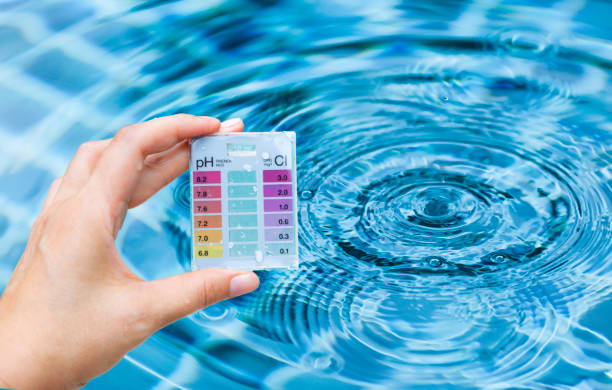
Professional tap water testing in the Bronx is a certified laboratory service that analyzes household water samples to identify hidden contaminants, helping local homeowners safeguard their health and choose the right purification solutions for complete peace of mind. Few things are as unsettling as turning on your kitchen faucet and finding that the water flowing out does not look or smell quite right. Whether it is a strange tint, a milky appearance, or an unusual odor that makes you hesitant to take a sip, these signs are your home’s way of alerting you to important changes in your water quality.
While not every change in water appearance indicates a serious health risk, it almost always points to a change in your plumbing, your source water, or the infrastructure delivering it to your home. Understanding the source of these issues is the first step toward getting back to clear, clean water.
Why Your Water Changes
Water is a universal solvent. As it moves through the ground to reach a private well or through aging municipal pipes, it picks up minerals, organic matter, and even gases. Often, these elements are perfectly harmless but can have a dramatic impact on the aesthetics of your water. However, because some contaminants can be hazardous, it is important to treat any sudden change with a bit of healthy skepticism.
If you are concerned about what might be lurking in your tap, performing water testing is the most reliable way to turn guesswork into actionable data.
Decoding Your Water’s Appearance
1. The Mystery of Cloudy Water
Cloudy water, often referred to as “turbid” water, is one of the most common complaints among homeowners. Surprisingly, the most frequent culprit is often air.
- The Air Bubble Test: If your water looks milky or white but clears up within a minute or two starting from the bottom of the glass, it is likely just trapped air. This can occur after plumbing repairs or due to pressure changes in your home’s water system.
- Sediment and Particles: If the water remains cloudy or you see visible particles, it could indicate sediment, such as silt or sand, entering your well. This is common after heavy rainfall or if your well pump is positioned too close to the bottom of the well.
- Dissolved Minerals: In some cases, high levels of calcium or magnesium (hard water) can contribute to a cloudy appearance.
2. Identifying Discolored Water
Color is a major indicator of what minerals are present in your plumbing system.
- Red, Orange, or Brown: This is almost always caused by iron. When iron is exposed to oxygen, it oxidizes—essentially rusting. This often leaves those dreaded stains on your white laundry and porcelain sinks.
- Black or Dark Brown: This usually points to manganese. Like iron, manganese is a naturally occurring mineral, but it tends to be more stubborn to remove and can cause dark staining even at low concentrations.
- Yellow or Green: Sometimes, a greenish or yellow tint can be a sign of corrosion in copper pipes. If you are noticing this, it is worth investigating, as it can indicate that your water is slightly acidic and actively eating away at your home’s infrastructure.
For those curious about the specific chemical makeup of their supply, reviewing a breakdown of what we test can help you identify if these minerals are present in your home.
3. The Source of Smells
Odors are often the most frustrating water issue because they are sensory and immediate.
- Rotten Egg Smell: This is the telltale sign of hydrogen sulfide. It is caused by sulfur-reducing bacteria in your well or water heater. It isn’t just smelly; it can be corrosive to metal pipes.
- Musty or Earthy Odor: If your water smells like dirt or wet leaves, it is likely due to organic matter breaking down in your source water. This is common in surface water or shallow wells.
- Chlorine or Chemical Smell: If you are on a municipal system, a strong chlorine smell is common. However, if it suddenly becomes stronger than usual, it may be worth checking with your local water provider.
When to Seek Professional Help
While some issues, like air bubbles, are temporary and harmless, others require intervention. If you notice a persistent change in your water, the best approach is to start with a local water testing service.
Local experts understand the geology of your area. For instance, some regions have high natural iron content due to the bedrock, while others may be prone to specific bacterial issues. By utilizing professional locations nearby, you ensure that the testing methodology is tailored to the specific potential contaminants in your zip code.
Should You Worry?
According to the CDC’s guide on private wells, homeowners are responsible for their own water quality monitoring. They recommend testing your well water at least once a year for total coliform bacteria and nitrates, regardless of whether the water “looks” clean.
If you have noticed these symptoms, it is also a great time to browse our FAQ for common solutions or read through our common water problems resource to see if others in your area are experiencing the same shifts in water quality.
Taking Control of Your Water Quality
You do not have to settle for water that smells, stains your clothes, or looks unappealing. Once you have identified the culprit through testing, there is almost always a treatment solution available. Whether it is a simple sediment filter, an iron-removal system, or a water softener, the right equipment can transform your water experience.
If you are ready to get to the bottom of your water issues, contact our team today. We are here to help you understand your water chemistry and provide the clarity you need to make informed decisions for your home.
For additional tips on maintaining your system and learning more about water science, be sure to visit our blog for regular updates and advice. Don’t wait until the problem worsens—a small investment in testing today can save you from costly plumbing repairs down the road.