
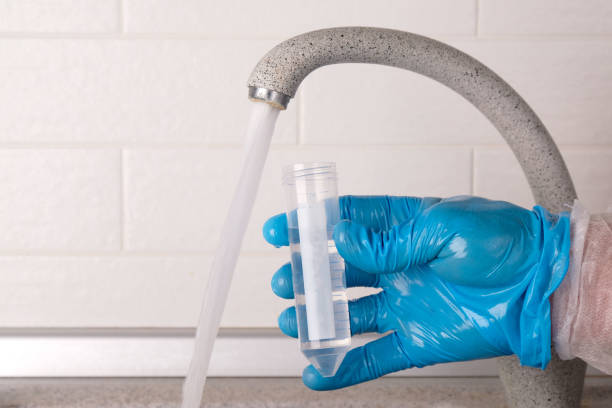
Apartment renters are often the first to notice water issues, such as brown discoloration, a metallic taste, visible particles, or unusual odors, yet they are usually the last to know what is causing them. Hiring NYC apartment water testing experts connects tenants with certified specialists who analyze tap samples through precise laboratory testing to detect hidden contaminants like lead, helping residents pinpoint the exact source of contamination so they can effectively resolve safety concerns with landlords. Since renters rarely have access to plumbing histories, service line details, or fixture ages, professional analysis provides necessary clarity. Ultimately, comprehensive testing distinguishes between a simple fixture-level concern, an apartment-specific issue, and a broader building-wide problem.
Renters Need Information They Can Use
A renter’s challenge is practical. They may need to decide whether to keep using a fixture, whether to speak with a landlord, whether to request repairs, or whether to ask neighbors if they have noticed the same issue. A vague complaint is easy to dismiss. A certified water test tied to a specific fixture is more useful. The local testing services page can help renters think about testing as a way to document what is happening in the apartment. The goal is not to assign blame immediately. The goal is to understand the water at the point of use.
Renters should begin by identifying the main concern. Is the water discolored? Does it taste metallic? Are there particles? Is the concern about children? Did the issue begin after building work? Does it happen at one faucet or several? These details help determine which test panel and sample point make sense. The common water problems page can help renters describe symptoms clearly before testing. Better descriptions lead to better results and better conversations with property owners or managers.
Why One Apartment May Differ From Another
In multi-unit buildings, one apartment’s water experience may not match another’s. Different units can have different branch lines, fixtures, aerators, renovation histories, and use patterns. An upper-floor apartment may have different stagnation patterns than a lower-floor unit. A renovated unit may have different fixture materials from an older one. That is why a neighbor’s experience may be helpful but not conclusive. A renter needs information from the tap they actually use. The what we test page can help renters understand which contaminants and indicators may be relevant to their specific concern.
This is especially true for lead and copper. The EPA explains that lead and copper can enter drinking water through plumbing materials, and those materials can vary within a building. A sample from one unit does not automatically describe every unit. A sample from a lobby sink may not describe a renter’s kitchen. If children use the apartment water daily, the sample should focus on the fixture connected to their use. Testing should be local not only by city, but by apartment and faucet.
Lead, Children, and Older Rentals
Lead concerns can be particularly stressful for renters because they may not control the plumbing. The CDC’s lead drinking water guidance explains why lead exposure deserves attention, especially for young children. A renter should not assume lead is present just because a building is old, but they also should not assume it is absent because the water looks clear. Testing gives the household a specific result for a specific sample. That can support a calmer and more informed conversation with a landlord or property manager.
Renters with children should think carefully about daily use. The kitchen sink used for cooking and drinking may be the priority. A bathroom sink used for brushing teeth may also matter. Water after sitting overnight may answer a different question than water after flushing. Professional sample planning helps renters choose the right approach. Without planning, they may spend money on a result that does not answer the child-related concern.
When Taste, Odor, Color, or Particles Appear
Renters often notice sensory problems before anything else. Brown water may involve iron, sediment, or plumbing disturbance. Metallic taste may involve copper, iron, pH, or corrosion behavior. Odor may have different explanations depending on whether it appears in hot water, cold water, or one fixture. Particles may come from aerators, pipes, or building work. The EPA’s secondary standards guidance provides useful background on color, taste, staining, and odor indicators. Testing can help determine whether the issue is mainly aesthetic or whether more attention is needed.
Renters should document the issue before and during testing. Photos, dates, fixture locations, hot versus cold water, and whether the problem clears after running the tap can all help. These notes make the report more meaningful and support communication. If the test shows a concern, the renter has a clearer basis for follow-up. If results are low, the renter can better understand what was tested and under what conditions. Documentation is part of the value.
How Renters Can Take the Next Step
For apartment renters, water testing near me means getting answers that are close to the actual point of use. It means choosing the right faucet, explaining the concern clearly, and using certified results to understand whether the issue appears isolated or broader. Renters can review service coverage through the locations page and use the contact page to explain the apartment situation. Renters may not control the whole plumbing system, but they can still take a practical step toward clarity. A focused water test turns uncertainty into information that is easier to discuss, document, and understand.
What Renters Should Keep for Their Records
Renters should keep a simple record of the water concern because documentation can make follow-up easier. Save photos of discoloration, write down dates and times, note whether the issue appears in hot or cold water, and identify which faucet was used for the sample. Keep a copy of the lab report and any messages sent to the landlord or building manager. This record does not need to be dramatic or accusatory. It simply creates a timeline and connects the test result to a specific apartment condition. If the issue continues, the renter has organized information instead of scattered memories. If the issue clears, the renter still has a useful baseline. For renters, water testing is not only about the result; it is also about having clear information in a situation where they may not control the larger plumbing system.
A renter should also be careful not to overstate what one result proves. A sample from the kitchen sink describes that sample and that condition, not necessarily the entire building. This precision actually helps renters because it keeps the conversation fair and factual. Instead of claiming that all building water is unsafe, a renter can say that a specific fixture was tested and the result showed a specific finding. That is easier for a landlord or manager to respond to. It also helps the renter decide whether more testing, maintenance review, or comparison with another fixture is the next practical step.
This approach also protects renters from confusion. A focused report can support a reasonable request, reduce guesswork, and keep the discussion centered on the apartment’s actual water conditions.
That kind of clarity can make the next conversation more professional, especially when the renter needs to explain the issue without guessing about hidden building systems.